Digital Marketing Services: The Complete 2026 Guide
What’s actually included in a digital marketing service, what it should cost, and how to pick a partner who moves the numbers that matter — leads, calls, and sales.
Every business selling online today competes for the same limited attention span. Digital marketing services exist to win a fair share of that attention — and turn it into revenue. This guide breaks down exactly what these services include, what they cost, and how to choose the right one for your business size, industry, and budget.
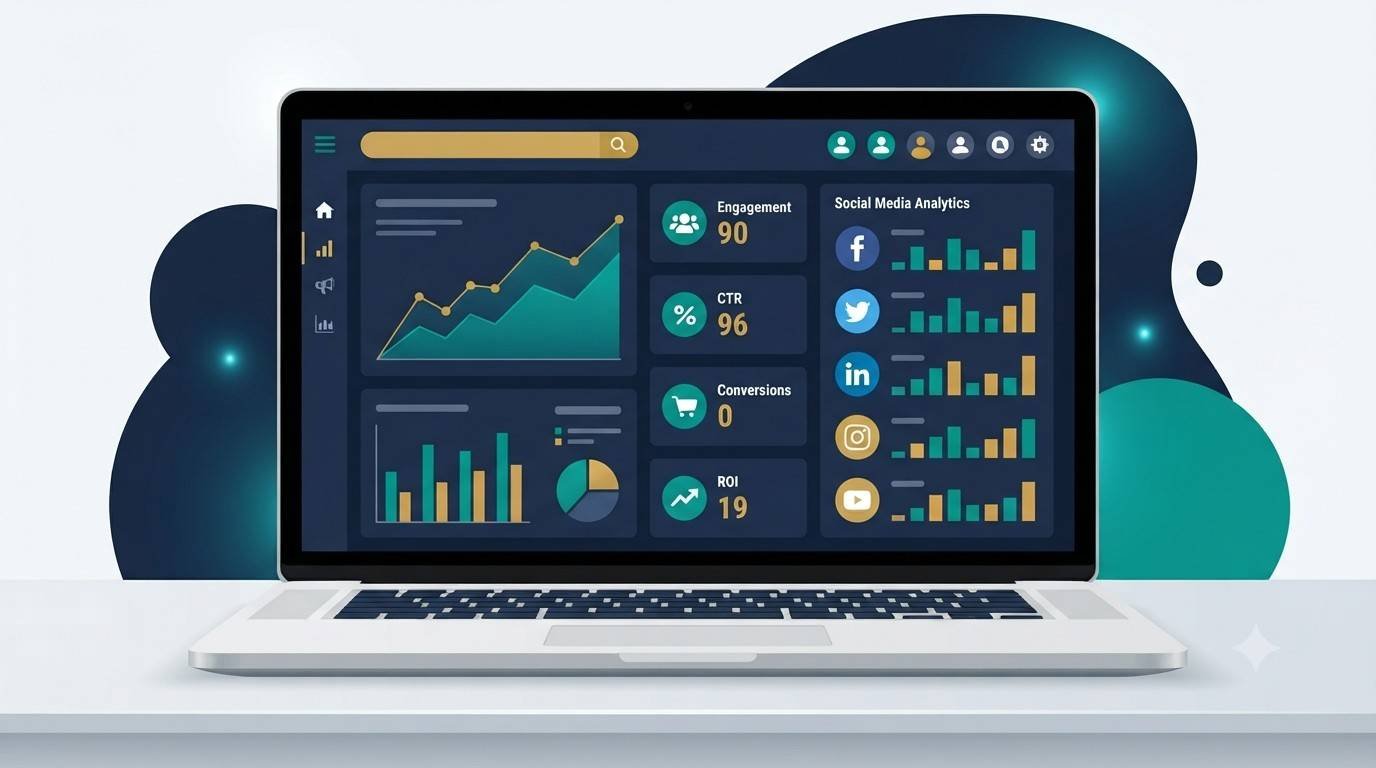
What Are Digital Marketing Services?
Digital marketing services are the professional strategies, tools, and hands-on work used to promote a business across online channels — search engines, social platforms, email, and paid ads. Instead of a business handling marketing internally with no specialized staff, an agency or freelance specialist manages campaigns, tracks performance, and adjusts strategy based on real data.
In practice, “digital marketing services” is an umbrella term. A provider might handle one channel, like search engine optimization, or manage a full-funnel program spanning SEO, paid ads, content, email, and web design at once.
Core Components of Digital Marketing
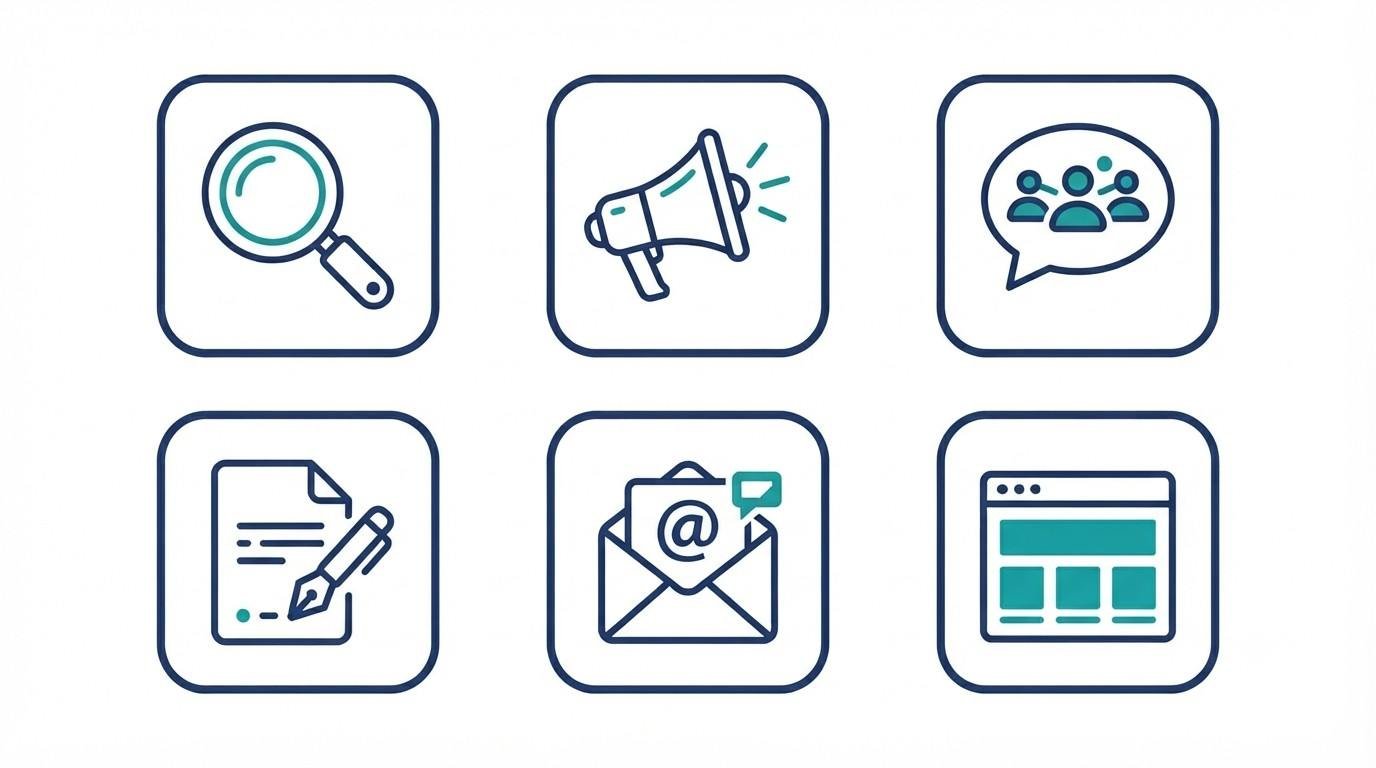
- Search engine optimization (SEO): improving a website so it ranks higher in organic Google results.
- Pay-per-click advertising (PPC): paid placements on Google, Bing, or social platforms, billed per click or impression.
- Social media marketing: organic posting and paid promotion on platforms like Instagram, LinkedIn, and TikTok.
- Content marketing: blog posts, videos, and guides built to attract and educate potential customers.
- Email marketing: nurture sequences and newsletters that convert leads into repeat customers.
- Web design and conversion optimization: making sure the website itself turns visitors into leads or sales.
Why Digital Marketing Services Matter in 2026
Search behavior has changed dramatically over the past few years. AI-powered search summaries, shorter attention spans, and rising ad costs mean that businesses relying on outdated tactics — a static website and the occasional social post — are losing ground to competitors running coordinated, data-driven campaigns.
A well-run digital marketing program does three things a business can’t easily do alone:
- Puts the business in front of people actively searching for what it sells, at the exact moment they’re ready to buy.
- Builds long-term visibility through content and SEO that keeps generating traffic long after it’s published.
- Turns data into decisions — knowing which channel, ad, or page is actually driving revenue, not just clicks.
Types of Digital Marketing Services (And What Each One Solves)
Search Engine Optimization (SEO)
SEO is usually the highest long-term ROI channel because it compounds — a well-optimized page can keep ranking and generating traffic for years. Core SEO work includes:
- Keyword research and search intent mapping
- On-page optimization (titles, headings, internal links)
- Technical SEO (site speed, mobile-friendliness, indexing)
- Link building and digital PR
- Local SEO (Google Business Profile, citations, reviews)
Pay-Per-Click Advertising (PPC)
PPC delivers fast, measurable traffic while SEO builds momentum in the background. It’s especially useful for businesses that need leads now, not in six months. Well-run PPC includes conversion tracking from day one — without it, ad spend is essentially a guess.
Social Media Marketing
Beyond posting content, this includes community management, paid social ads, and influencer partnerships. B2B companies tend to lean on LinkedIn; consumer brands lean on Instagram and TikTok.
Content Marketing
Blog articles, guides, videos, and case studies that answer real customer questions. Good content marketing is built around search intent and topical authority — covering a subject thoroughly enough that Google (and readers) trust the source.
Email Marketing
Still one of the highest-ROI channels available, email nurtures leads who aren’t ready to buy yet and keeps past customers coming back. Segmentation and automation matter more here than raw list size.
Web Design & Conversion Rate Optimization
Traffic without conversions is wasted spend. This service focuses on page speed, clear calls-to-action, and removing friction from the path to purchase or contact.
Digital Marketing Services for Small Business
Small businesses rarely need every channel at once. A realistic starting stack for most small businesses looks like:
- A conversion-ready website with clear service pages
- Local SEO and an optimized Google Business Profile
- One paid channel (usually Google Ads or Meta Ads) for immediate leads
- A simple content calendar targeting local, high-intent keywords
Agencies that specialize in small business marketing tend to bundle these into a single monthly package rather than billing each channel separately — worth asking about directly during any sales call.
How to Choose a Digital Marketing Agency
Questions to Ask Before Signing
- Can you share results from a client in my industry, with real numbers?
- Who will actually work on my account — a senior strategist or a junior account manager?
- What’s included in the monthly retainer, and what costs extra?
- How do you measure success, and how often will I see reporting?
- What’s the minimum contract length, and what happens if I want to leave?
Red Flags to Watch For
- Guaranteed #1 rankings — no one can guarantee Google’s algorithm outcomes
- Vague reporting that shows “traffic” but not leads, calls, or sales
- Long lock-in contracts with steep early-termination penalties
- One-size-fits-all packages regardless of industry or goals
Digital Marketing Services Cost (2026 Benchmarks)
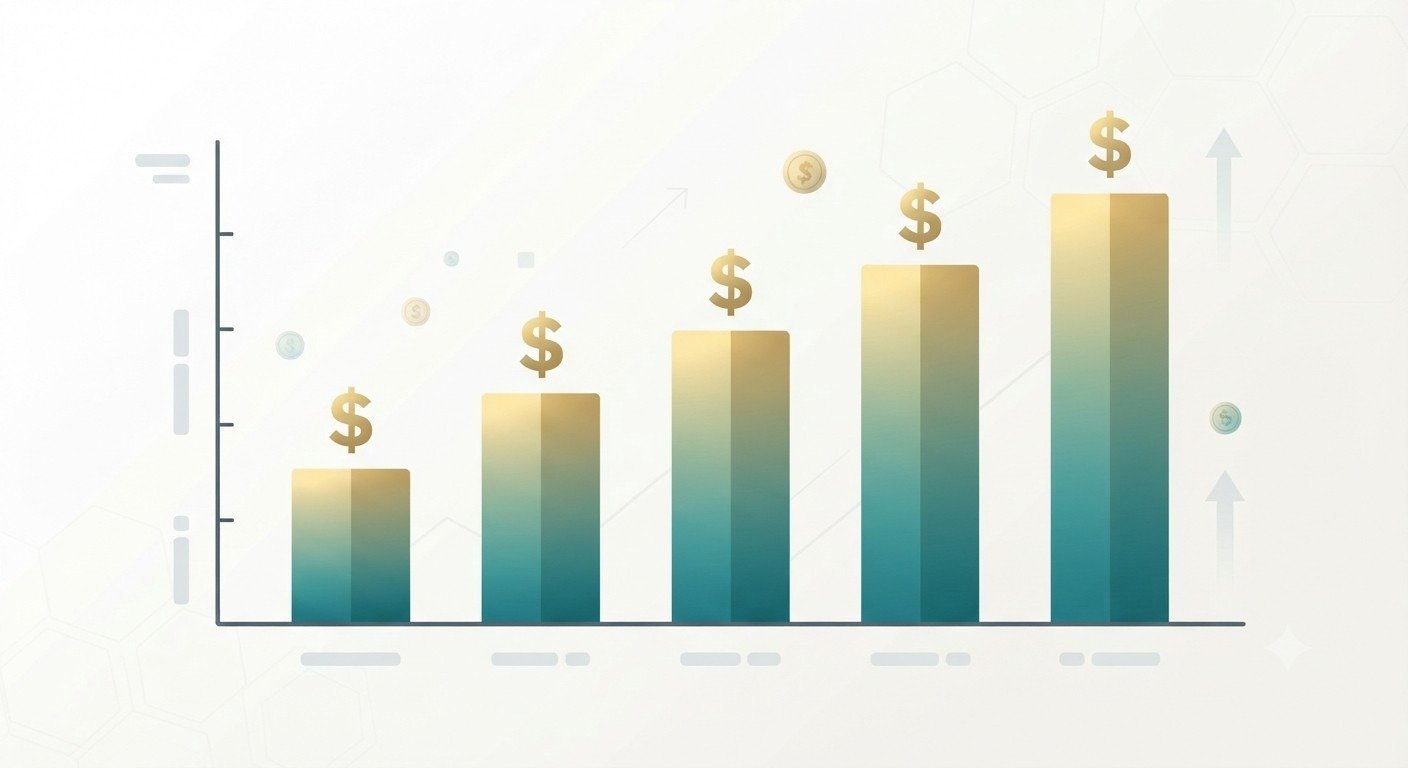
| Service | Typical Monthly Range | Best For |
|---|---|---|
| SEO | $750 – $5,000+ | Long-term organic growth |
| PPC Management | $500 – $3,500 + ad spend | Fast, measurable lead flow |
| Social Media Marketing | $500 – $4,000 | Brand awareness & community |
| Content Marketing | $1,000 – $6,000 | Authority building & SEO support |
| Full-Service Package | $2,500 – $10,000+ | Businesses wanting one accountable partner |
Ranges vary widely by market, agency size, and how competitive an industry’s keywords are — a dental practice in a major metro will typically pay more than one in a small town.
In-House vs. Agency vs. Freelancer
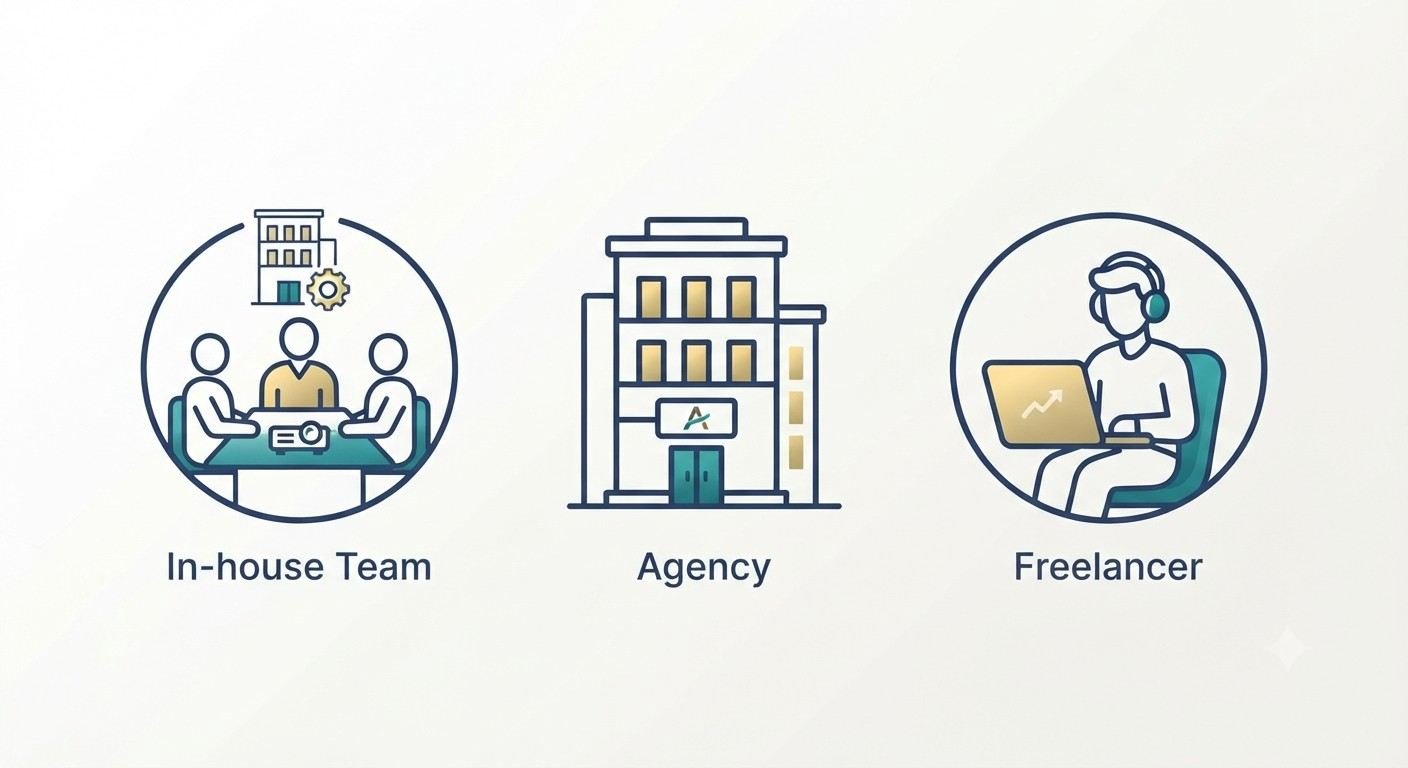
| Option | Pros | Cons |
|---|---|---|
| In-house team | Deep brand knowledge, full control | Highest cost, harder to cover every specialty |
| Agency | Broad skill set, established processes, scalable | Less individual attention than in-house |
| Freelancer | Lower cost, flexible | Limited bandwidth, single point of failure |
Not sure which channel fits your business?
A short audit of your current site and competitors usually reveals the one or two channels worth prioritizing first.
Digital Marketing Services by Industry
Different industries have very different buyer journeys, so the right service mix shifts accordingly:
- Ecommerce: heavy focus on paid shopping ads, email flows (cart abandonment, post-purchase), and conversion rate optimization.
- HVAC & home services: local SEO, Google Business Profile management, and PPC for emergency-intent searches.
- Dental & medical: reputation management, local SEO, and compliant content marketing.
- B2B / SaaS: LinkedIn advertising, long-form content for search intent, and email nurture sequences for longer sales cycles.
How to Measure ROI From Digital Marketing
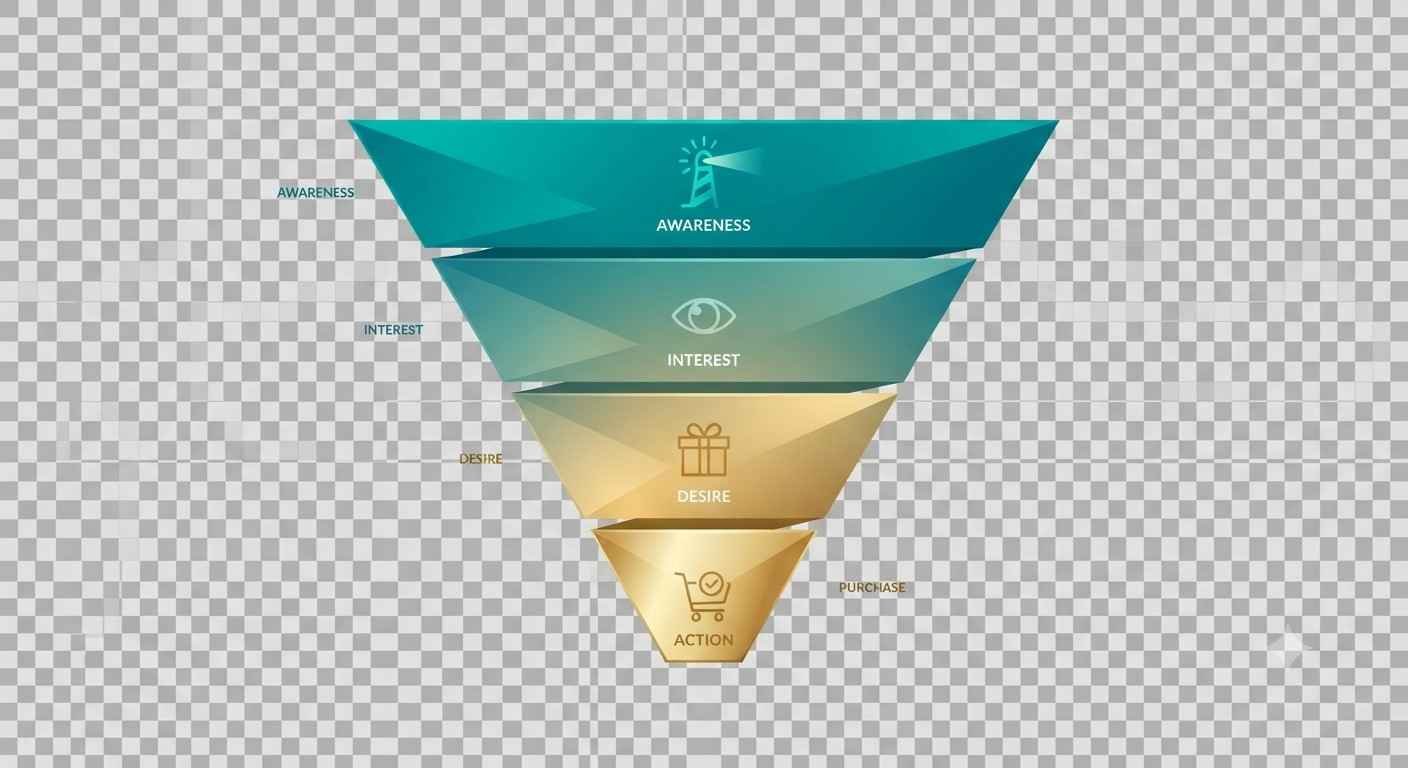
The biggest mistake businesses make is tracking vanity metrics — impressions, likes, raw traffic — instead of numbers tied to revenue. A useful reporting dashboard should always answer:
- How many leads or sales came from each channel this month?
- What’s the cost per lead, and how has it trended over time?
- What’s the actual return relative to what was spent?
Any agency worth hiring should be able to show this breakdown without being asked twice.
Common Mistakes Businesses Make
- Hiring based on price alone rather than proven results in a similar industry
- Switching strategies every few months before SEO or content has time to compound
- Running paid ads without proper conversion tracking in place
- Ignoring the website itself while pouring budget into traffic
Frequently Asked Questions
What do digital marketing services include?
Most providers offer a mix of SEO, PPC advertising, social media management, content marketing, email marketing, and web design, either as standalone services or bundled into a full package.
How much do digital marketing services cost per month?
Costs typically range from $500 to $10,000+ per month depending on the scope, the number of channels involved, and how competitive the industry is.
Are digital marketing services worth it for small businesses?
Yes, when the strategy matches the business’s actual customer behavior. A local service business, for example, often sees strong returns from local SEO and Google Ads long before it needs a large-scale content program.
How long does it take to see results from digital marketing?
Paid ads can generate leads within days. SEO and content marketing typically take three to six months to show meaningful movement, since they rely on building authority over time.
Should I hire an agency or build an in-house marketing team?
Agencies make sense for businesses that need broad expertise without the overhead of multiple full-time hires. In-house teams work better once a business has the budget and scale to justify dedicated specialists.
Conclusion
Digital marketing services aren’t a single product — they’re a set of channels that work together to put a business in front of the right people at the right moment. The businesses that win aren’t necessarily spending the most; they’re the ones matching the right channel mix to how their actual customers search, browse, and buy.
Start with an honest audit of what’s working today, prioritize the one or two channels most likely to move revenue, and treat reporting as a non-negotiable part of any agency relationship. That combination — focus plus accountability — is what separates marketing spend that compounds from spend that simply disappears.